What Makes an Incentive Travel Program Actually Work?
A successful incentive program doesn’t just reward past performance. It changes future behavior.
Organizations invest significant resources into incentive travel programs every year. But there’s a big difference between a program that checks a box and one that actually moves people. With the good ones, your top performers are still talking about the trip in Q4, pushing harder in Q1, and staying with the company because they want to, not because HR had to convince them.
So what separates the two? After planning and running incentive programs around the world, we’ve seen what makes a program land, and what can sink one that looked perfect on paper.
What it feels like when it’s working
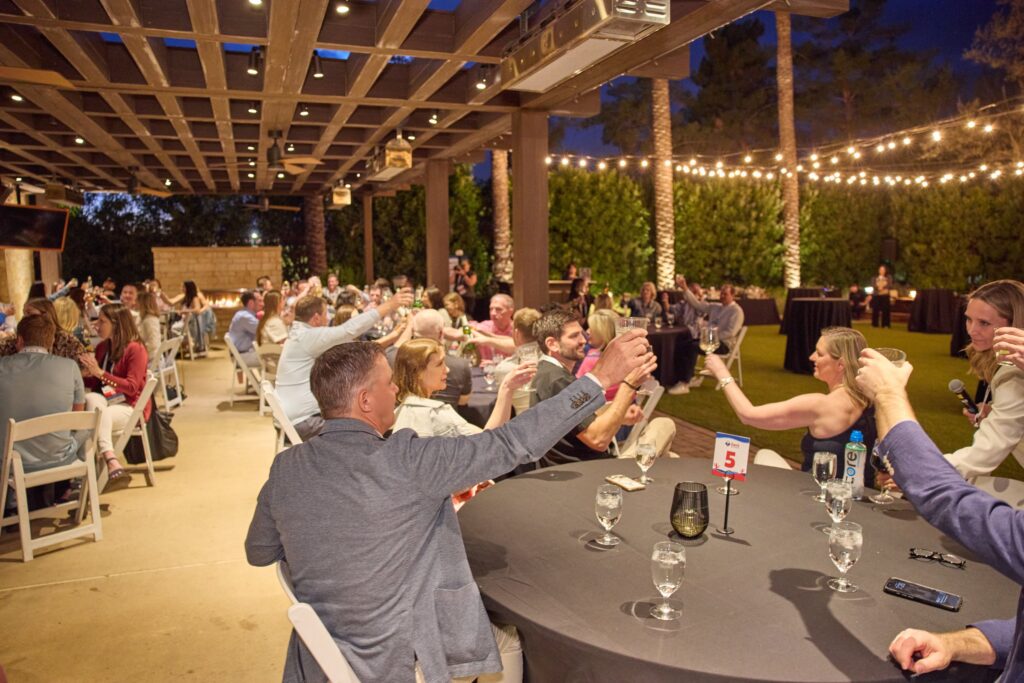
You know an incentive program is working when you can feel it in the room. There’s an energy you can’t fake. People are engaged, present, and proud to be there.
Top performers aren’t just attending. They’re being celebrated in a way that feels meaningful, not ceremonial. Conversations go deeper than small talk, and people are genuinely connecting with their peers and with leadership. You can almost hear attendees thinking, “I want to be back here next year.”
That’s the feeling a well-designed incentive program creates. It doesn’t feel like an event. It feels like something earned.
What attendees actually say
The language people use after a successful incentive program is telling. It doesn’t sound like someone who just went on a company trip. It sounds like someone who now feels differently about where they work.
We hear things like:
- “This made me feel valued.”
- “Now I understand what I’m working toward.”
- “This is the first time I’ve truly connected with leadership.”
- “I’m more motivated than I’ve been in a long time.”
Notice the shift: from obligation to ownership, and from showing up to feeling proud. That doesn’t happen by accident. It comes from a program designed with intention at every stage, from picking the destination to the final night.
What changes when people get back
The true measure of an incentive program isn’t what happens during the trip. It’s what happens after people get home.
When a program is designed well, the organizational impact is tangible and lasting:
- Performance lifts. People are more driven because the reward feels real, attainable, and worth the effort. They’ve seen what qualifying looks like. They want to go back.
- Retention improves. Top talent who feel recognized and celebrated are less likely to leave. Recognition done well is one of the most powerful retention tools an organization has.
- Culture strengthens. A shared standard of excellence emerges. The people who attended have seen what the organization is capable of at its best, and they bring that standard back to their teams.
- Future programs gain momentum. Word travels. When non-qualifiers hear from those who attended, more people actively want to qualify next time. The program becomes self-reinforcing.
What organizations notice at the leadership level
For the executives and leaders who invest in these programs, the return shows up in ways that go beyond a post-event survey.
- The program becomes a talking point throughout the year, not just during the event itself
- There’s stronger alignment between organizational goals and individual behavior
- Leaders see their people connect more closely with the company’s mission
- The conversation around incentives shifts from “is this worth it?” to “how do we make next year even better?”
That last point matters most. When a program works, leadership sees it as an investment, not just another expense.
And if someone does ask “is this worth it?”, the answer should already be in your numbers. Before the qualifying period starts, write down where performance stands today. Then track:
- How much qualifiers’ results grew compared to the same period last year
- How many people actively worked toward qualifying, not just the ones who earned the trip
- Whether the top performers who attended stayed with the company over the following year
What quietly undermines a program’s impact
Most programs that fall flat don’t fail because of a bad destination or a budget problem. They fail because the strategic foundation was missing from the start.
The most common culprits:
- The program is treated as a thank-you rather than a way to drive performance, so it gets planned around logistics instead of the experience
- The rules for qualifying aren’t clear, so people lose motivation before the trip even happens
- Recognition during the trip feels generic, so people feel like guests instead of honorees
- The trip doesn’t live up to what was promised, which can do more damage than having no program at all
- The trip is booked too late, which means higher rates, fewer resort options, and less room to negotiate
The fix usually isn’t a bigger budget. It’s a clear strategy and a partner who understands that every detail of the trip tells your people how much you value them.
Designing programs that change behavior
At Xplor, every incentive program begins with a single question: what do we want this experience to do for the people in the room — and for the organization when they get home?
From there, we build a customized program that aligns with your performance goals, reflects your brand, and delivers the kind of experience your top performers will talk about all year. We handle destination research, resort sourcing, budget oversight, and on-site execution, so the experience feels effortless for your team and unforgettable for your attendees.
Because a great incentive program doesn’t just reward past performance.
It changes future behavior.
Ready to build a program that performs? Connect with the Xplor team at xplorinc.com